To understand the triumphs and tribulations of the Crusades, one must look beyond the grand speeches and geopolitical movements. The success of the First Crusade rested on the physical resilience of the individual knight and the tactical discipline of the army.
This visual guide breaks down the armor, weaponry, and daily rations that sustained these warriors over thousands of miles of hostile territory.
1. The Armored Knight: A Steel-Clad Fortress
The knight of the late 11th century was a formidable force on the battlefield, protected by hand-crafted armor designed to withstand heavy impact.
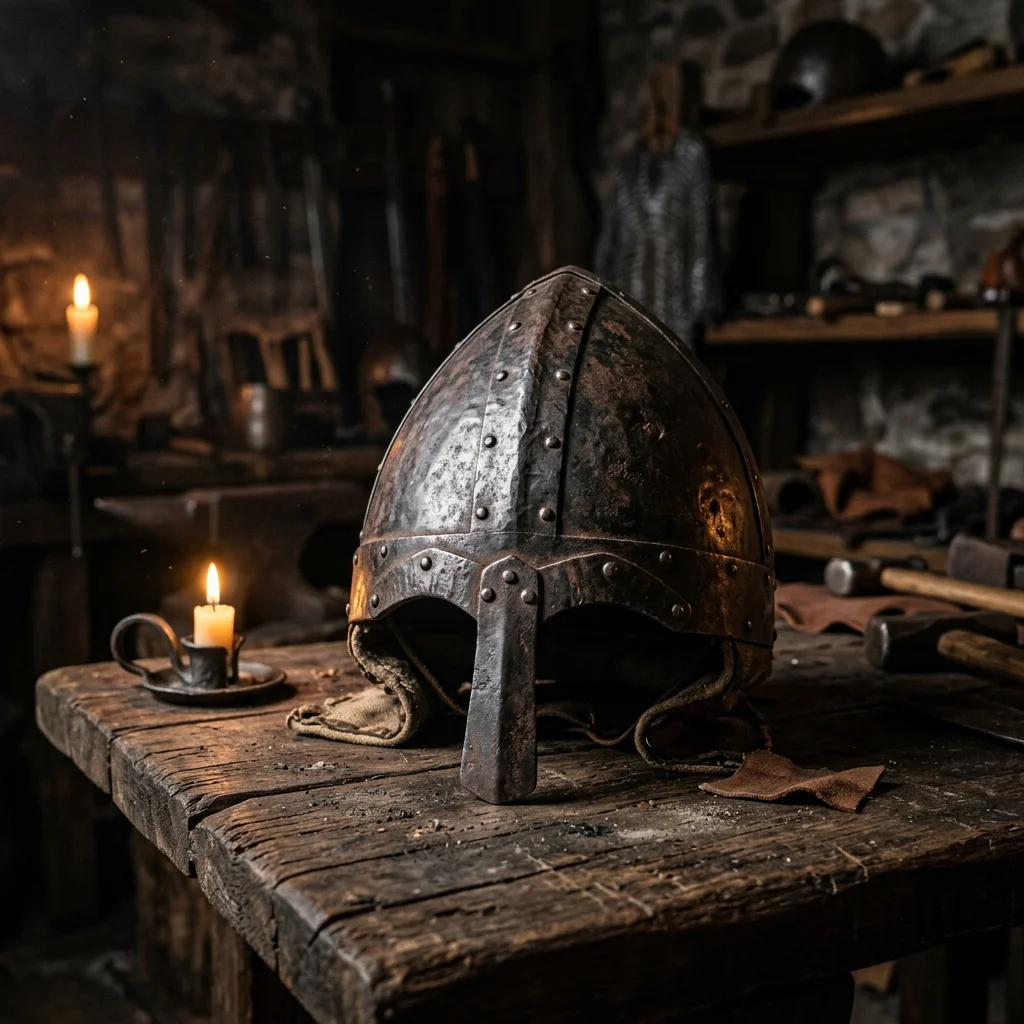
Figure 1: Conical iron helmet with nasal bar protection.
The Norman Helmet
Forged from carbon steel or iron, the conical shape was designed to deflect downward sword blows away from the skull. The prominent nasal bar protected the face from horizontal cuts while maintaining visibility and ventilation.
- Single-sheet iron or riveted plates.
- Worn over a padded arming cap and mail coif.
- Maintained maximum peripheral vision for melee combat.
2. Weapons of Holy Duty
The primary shock tactic of the Crusader was the couched lance charge, followed by close-quarters combat using the double-edged arming sword.
The Arming Sword & Kite Shield
The double-edged arming sword was a versatile weapon designed for both cutting and thrusting. It was paired with the massive kite shield, constructed of laminated wood covered in leather. The shield's elongated shape protected the knight's vulnerable left leg while mounted.
- Sword length: 85–95 cm; average weight: 1.1 kg.
- Shield: Laminated lime or poplar wood with iron boss.
- Designed to withstand direct arrows and spear thrusts.
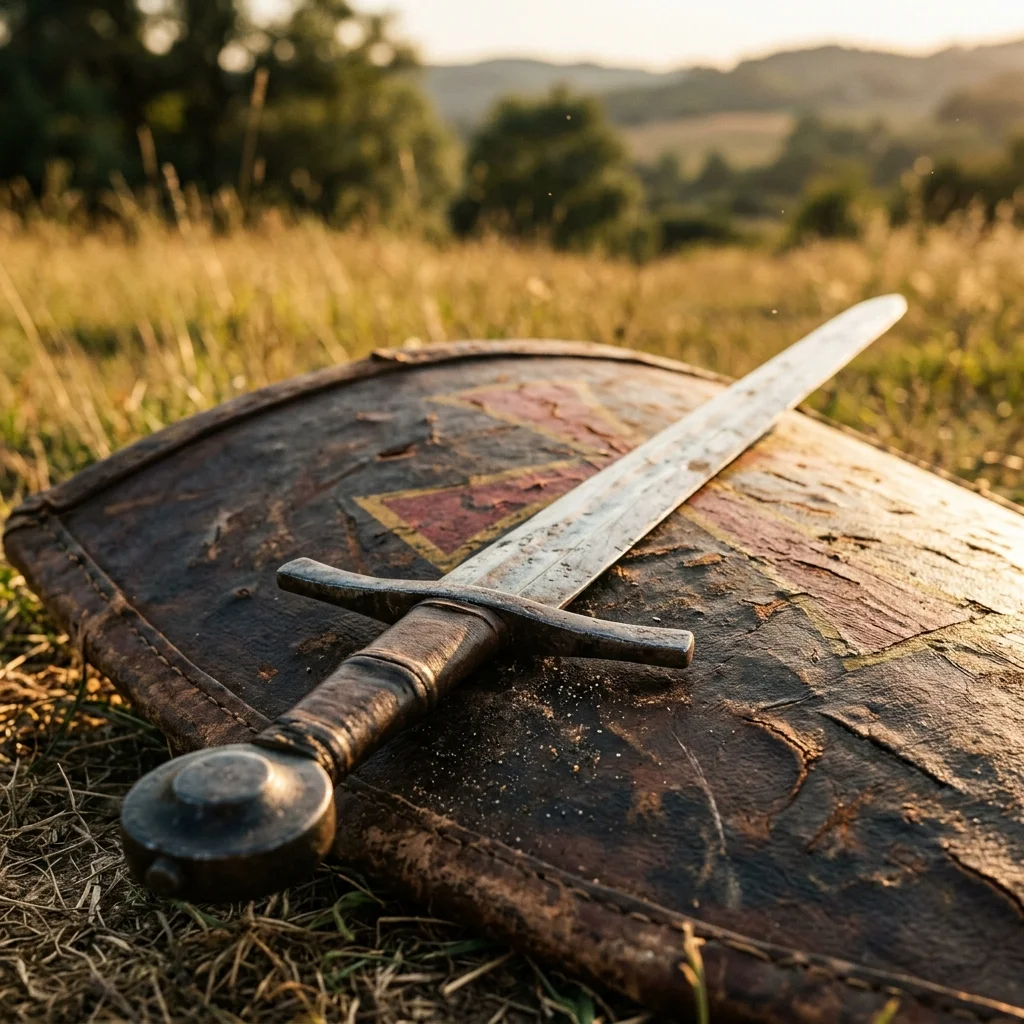
Figure 2: Laminated kite shield and double-edged arming sword.
3. Sustaining the March: Rations and Survival
Beyond the arrows of the Seljuks, the crusading army fought a daily war against hunger, scurvy, and dehydration.
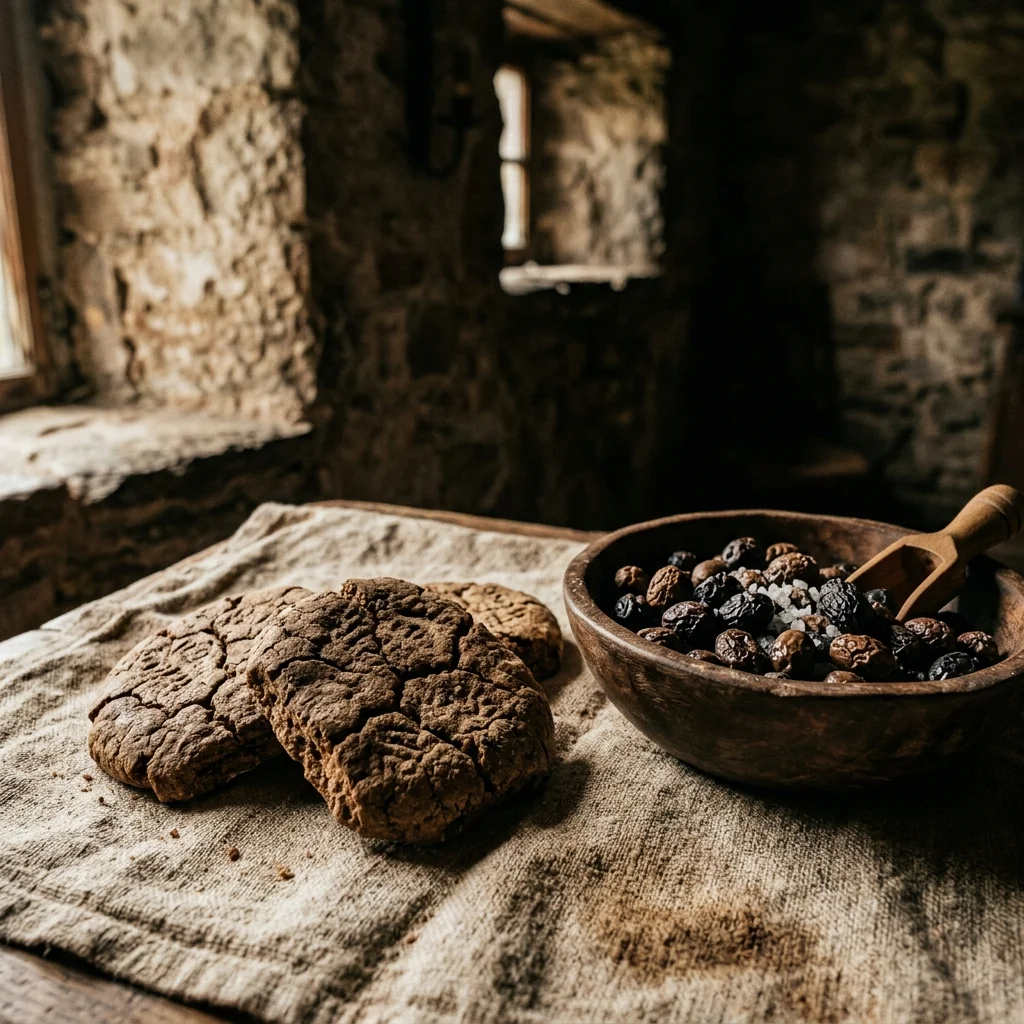
Figure 3: Hardtack biscuits, dried olives, and coarse salt.
Hardtack & Dried Fruit
The staple of the march was hardtack—a simple flour-and-water biscuit baked multiple times to remove all moisture. Hard as stone, it could be stored for months but required soaking in wine, water, or broth to be chewed. This was supplemented with dried olives and figs purchased along the route.
- Twice-baked wheat or barley flour.
- Highly resistant to rot and pest infestation.
- Extremely low moisture content to prevent mold.
Tactical Slide Presentation: Chivalry on the March
Below is a presentation outline reflecting the strategic takeaways of the crusading march across the Anatolian plains: